Final Removal Totals
Both lakes combined- Lake Tanglewood: 10,500 cubic yards
- Lake Wildwood: 12,754 cubic yards
- Grand Total: 23,254 cubic yards

Information, updates, photos, and final totals from the 2024 dredging work completed on Lake Wildwood and Lake Tanglewood.
The 2024 dredging project focused on removing built-up silt, sediment, and material from key areas of Lake Wildwood and Lake Tanglewood. This type of work helps restore depth, improve access in shallow coves and channels, support lake health, and extend the useful life of one of Lake Wildwood Association's most important amenities.
This page keeps the project information together in one place, including final totals, Lake Wildwood updates, Lake Tanglewood information, project photos, and a brief explanation of why dredging matters.
After equipment removal, any necessary road patching was planned along with a barrier at the access road to the 52-acre dump site.
Project notes and progress updates from Lake Wildwood dredging areas.
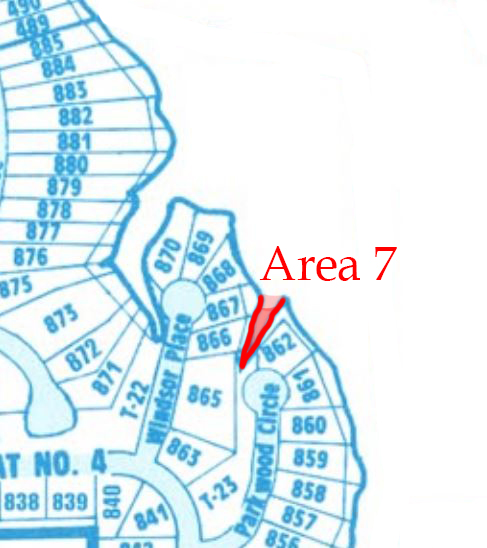
The vendor began dredging in Area 7 with the goal of removing 1,166 cubic yards of material. After approximately 75 yards were removed, it was determined that the equipment was too large for the narrow cove.
A smaller barge was needed to complete work in this area. Because of that, dredging in Area 7 and several other tighter coves was delayed while the crew prioritized areas that could accommodate the larger barge and machinery.
The vendor moved to Area 4, adjacent to Lake Wildwood's Beach 2, and worked there until Monday, September 9. A total of 2,222 cubic yards of sediment and other materials were successfully removed from that area.
Beginning Monday, September 9, the vendor moved to Areas 2 and 3 to remove over 4,000 cubic yards of silt and material.
Work began in Area 3, adjacent to Lots 1260, 1261, 1262, 1263, 1265, and 1266, and Area 2, adjacent to Lots 271, 272, 273, and 274.
The dredging crew had a busy week focused on Areas 2 and 3, removing nearly 4,000 cubic yards of material. Thank you to everyone who helped move boats and floating docks to improve access.
To boost production, the vendor added another tug and a double hopper. A smaller barge and equipment were placed on the water in preparation for work in tighter cove entrances.
The areas scheduled for upcoming work included Area 5, with 1,111 cubic yards of material, Area 7, with 1,166 cubic yards, and Area 9, with 435 cubic yards.
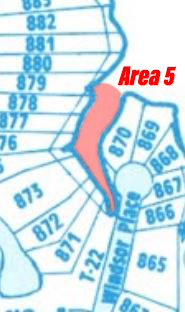
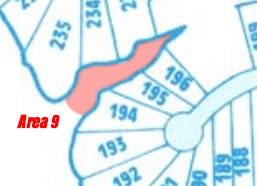
The vendor completed work on Area 2 and transitioned to Areas 5 and 7. Due to narrowing conditions in those areas, progress was made, but the crew had to stop before reaching the full planned extent.
Work then continued in Area 9, located near Breezy Point and Winter Haven Cove. The plan for the week included finishing Area 9, moving to Area 1 near Chevy Chase and Lake Wildwood Drive, and then continuing to Area 6 near Walnut Hill and Lake Wildwood Drive.
At this point, an estimated 4,579 contracted yards remained, putting the project about two-thirds of the way complete.
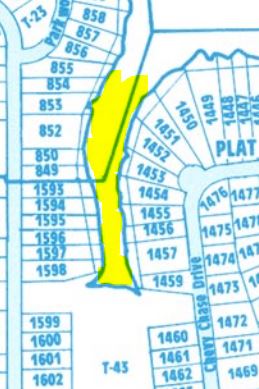
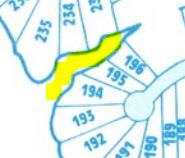
It was a very busy final stretch on the lake. In total, Lake Wildwood had 12,754 cubic yards of silt and material removed as part of the project.
The vendor prepared to de-mobilize from the lake with smaller equipment, followed by a large move-out day planned for Tuesday, October 22. That move-out included a large crane and eight semi-trailers to remove and haul equipment to the vendor's next destination.
Dredging work on Lake Tanglewood was completed before the final Wildwood phase.
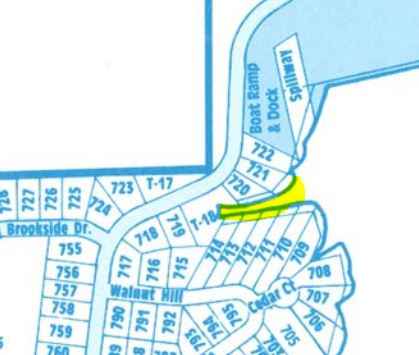
Dredging on Lake Tanglewood was completed with a total of 10,500 cubic yards of material removed from the A-Basin, Boat Launch, and B-Basin areas of the lake.
The project restored water depth to six feet in areas that were previously less than two feet deep. Results vary by section, but the main channels at each end saw significant improvement.
The boat launch damaged during the first phase of the project was also addressed. A vendor was selected, a quote was approved, and the replacement project was completed.
A simple explanation of the process and why it matters for the lakes.
Dredging is the process of removing built-up soil, sediment, and debris from the bottom of a lake or waterway. Over time, erosion and runoff can cause sediment to accumulate, especially in coves and shallow areas.
Coves are more prone to sediment accumulation because they are often sheltered, with slower-moving water where soil and debris settle more easily. Dredging helps restore depth and improve water flow.
Specialized equipment is used to carefully remove sediment from the lakebed. The material is then pumped or collected and moved to an appropriate disposal or drying area.
Removing excess sediment helps maintain usable depth, improve lake access, support water quality, and preserve the long-term value and enjoyment of the lakes.
Dredging is a major project, but it supports several long-term goals for the lakes and the community. Whether members enjoy fishing, boating, swimming, or simply relaxing near the water, healthier and more usable lake areas benefit everyone.
A look at the equipment and work completed during the dredging project.